
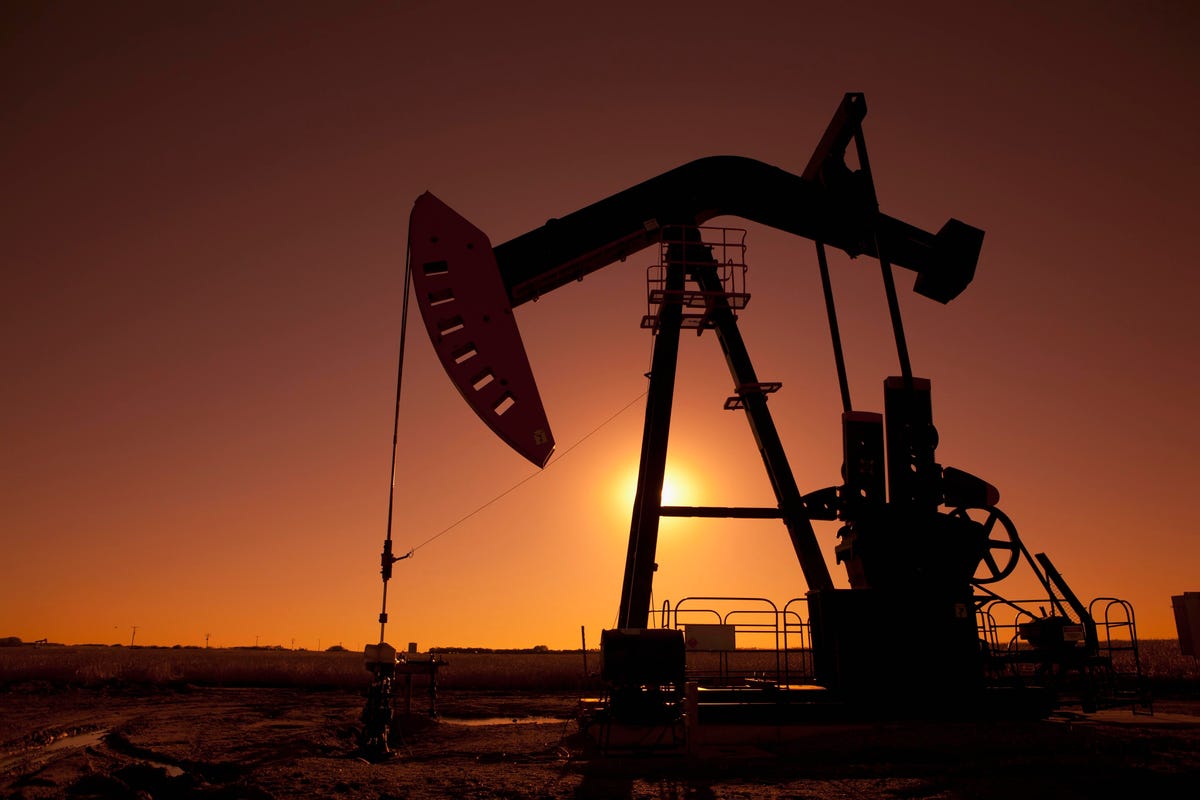

Global energy demand is constantly on the rise despite efforts to transition to a low-carbon future. The oil sector is challenged to meet the growing energy demand while reducing overall carbon emissions. Moving towards a low-carbon future requires practical and persuasive solutions.
Why is it important for oil trading industries to go towards decarbonization?
The oil industry will need to play a significant role if the world is to come close to achieving its climate change goals as oil is one of the largest energy contributors and accounts for a significant amount of greenhouse gas (GHG) emissions. 9% of all greenhouse gas emissions are attributable to activities in this sector. Additionally,the oil industry manufactures the fuels responsible for an additional 33% of world emissions.
Therefore, the oil industry needs to reduce its emissions by at least 3.4 gigatons of carbon dioxide equivalent annually by 2050, which is a 90% reduction in current emissions. This reduction is to enable the oil industry to play its part in climate change mitigation to the necessary extent. While it is obvious that reducing the consumption of oil would make it simpler to achieve this goal, such a reduction needs to be balanced with finding reliable, sustainable, and cost effective fuel alternatives which is still very much lacking in today’s world. But even if the oil demand doesn’t decline significantly, the industry may reduce the majority of its emissions at an average cost of less than $50 per tonne of carbon dioxide equivalent by giving priority to the most cost-effective interventions. The most affordable alternatives will be promoted through process modifications and small adjustments that assist oil trading companies in reducing their energy use.